
CAD+AI May 2026
Anthropic the reaper, real-world-models, text-to-anything, new fear and certainty
Dear subscriber,
CAD + AI had another strange and exciting month. Claude is being connected to the software stack around CAD and creative work, world models are becoming more concrete through Street View, and code-first CAD is suddenly attracting a lot of attention from people building with LLMs. Including Anthropic:
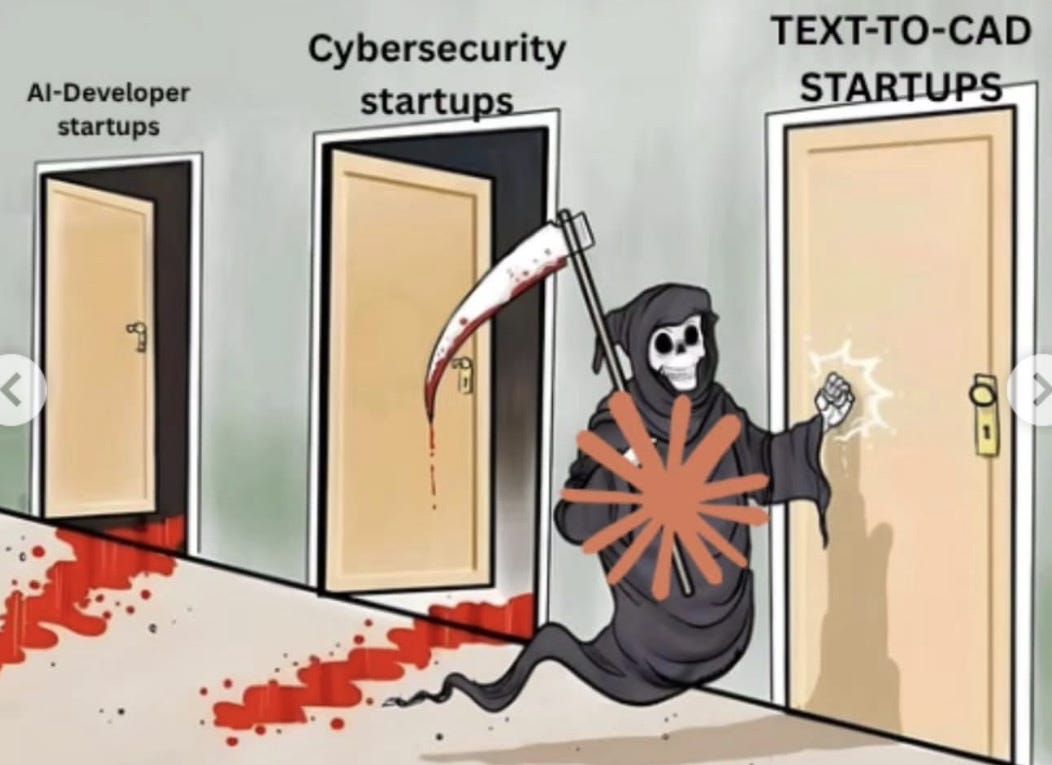
The success of RL training on math problems mapping to CAD has validated the thesis of many of the startups in the space while at the same time threatening them directly with the new Claude connectors. Models are getting better, so the new important shift might be the environments around them: connectors, coding agents, CAD kernels, viewers, validation tools, and feedback loops. This is where a lot of the next progress will probably happen.
Research
The World Inside Neural Networks
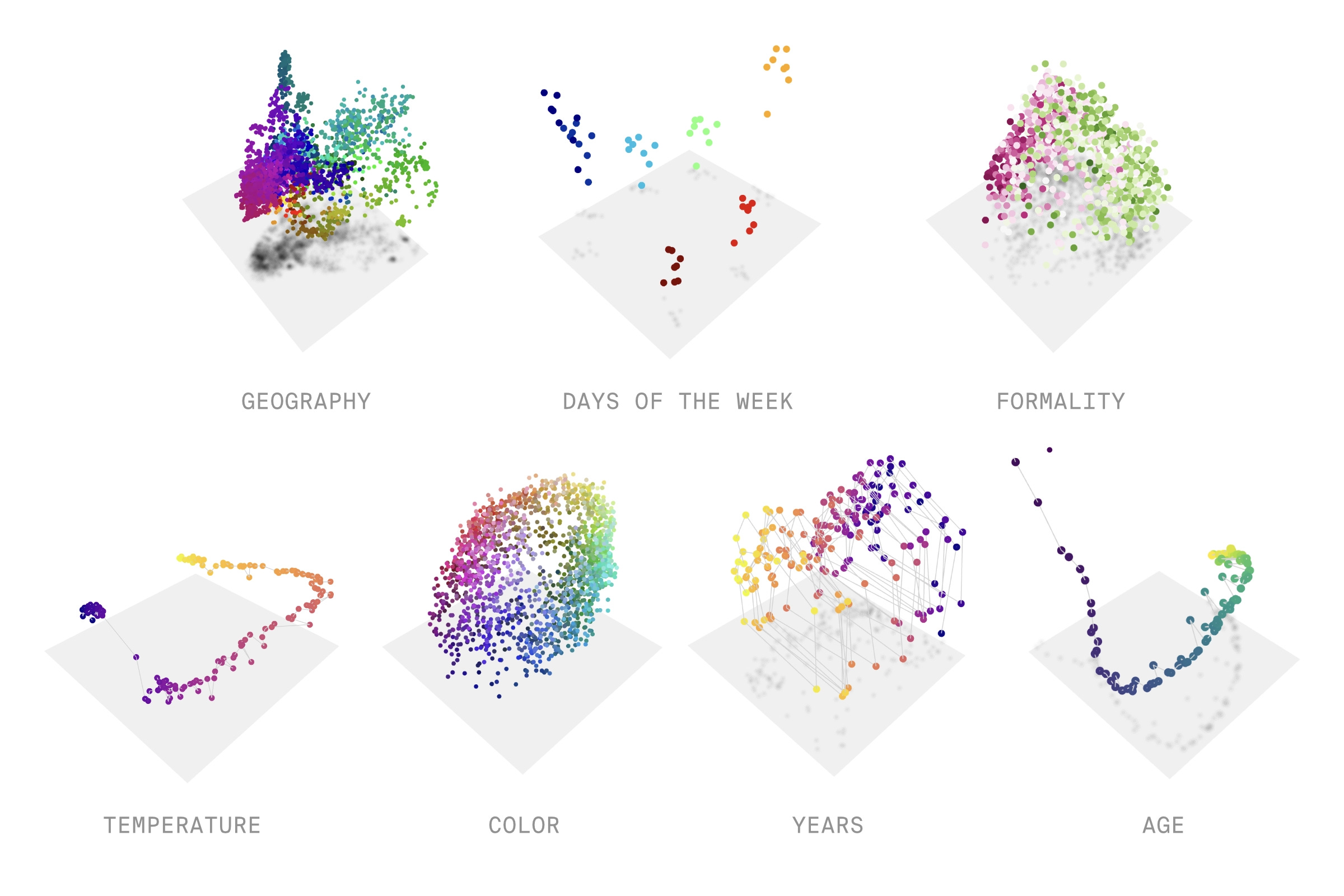
Goodfire published a beautiful series on neural geometry. The main idea is that neural networks often represent concepts as geometric structures inside activation space. Days of the week and months of the year appear as loops. Positions in a toy world model form a smooth curve. In the mountain-car example, steering the model along that internal curve moves the car coherently, while moving through unrelated regions of activation space can produce broken outputs. Link
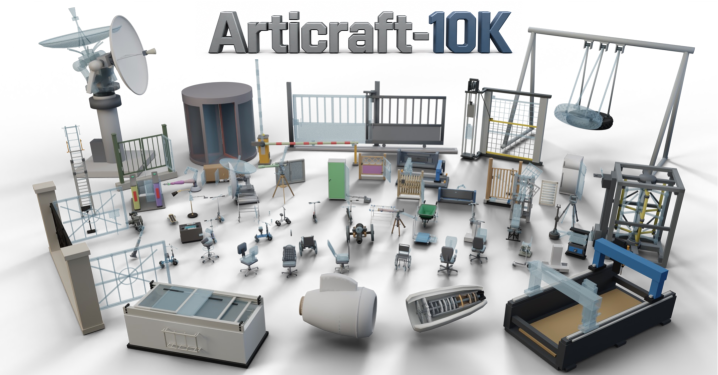
Articraft generates articulated 3D assets
This system asks an LLM to write programs against a custom SDK, and the executed program produces an asset with meshes, semantic parts, joints, axes, and motion ranges. The authors use it to create Articraft-10K, a dataset of more than 10,000 articulated 3D assets. The system generates structured objects, part hierarchy, movement, and joint definitions. The model gets a structured language, a harness, validation feedback, and examples. Link
Tools
Claude connects to the creative stack
Anthropic launched a set of Claude connectors for creative tools, including Adobe Creative Cloud, Autodesk Fusion, Blender, SketchUp, etc. Specialized CAD + AI startups will often produce better results in narrow workflows. But Claude is now moving into the actual tools where design work happens. That gives Anthropic a very direct view into what useful interaction with professional software looks like.
The agent-tool loop itself becomes a strategic asset: CAD, Photoshop, office documents, music tools, animation tools, creative suites: all of these can become interactive environments for future model training and evaluation. And all are collected by the same company. Link
ForgeCAD goes viral
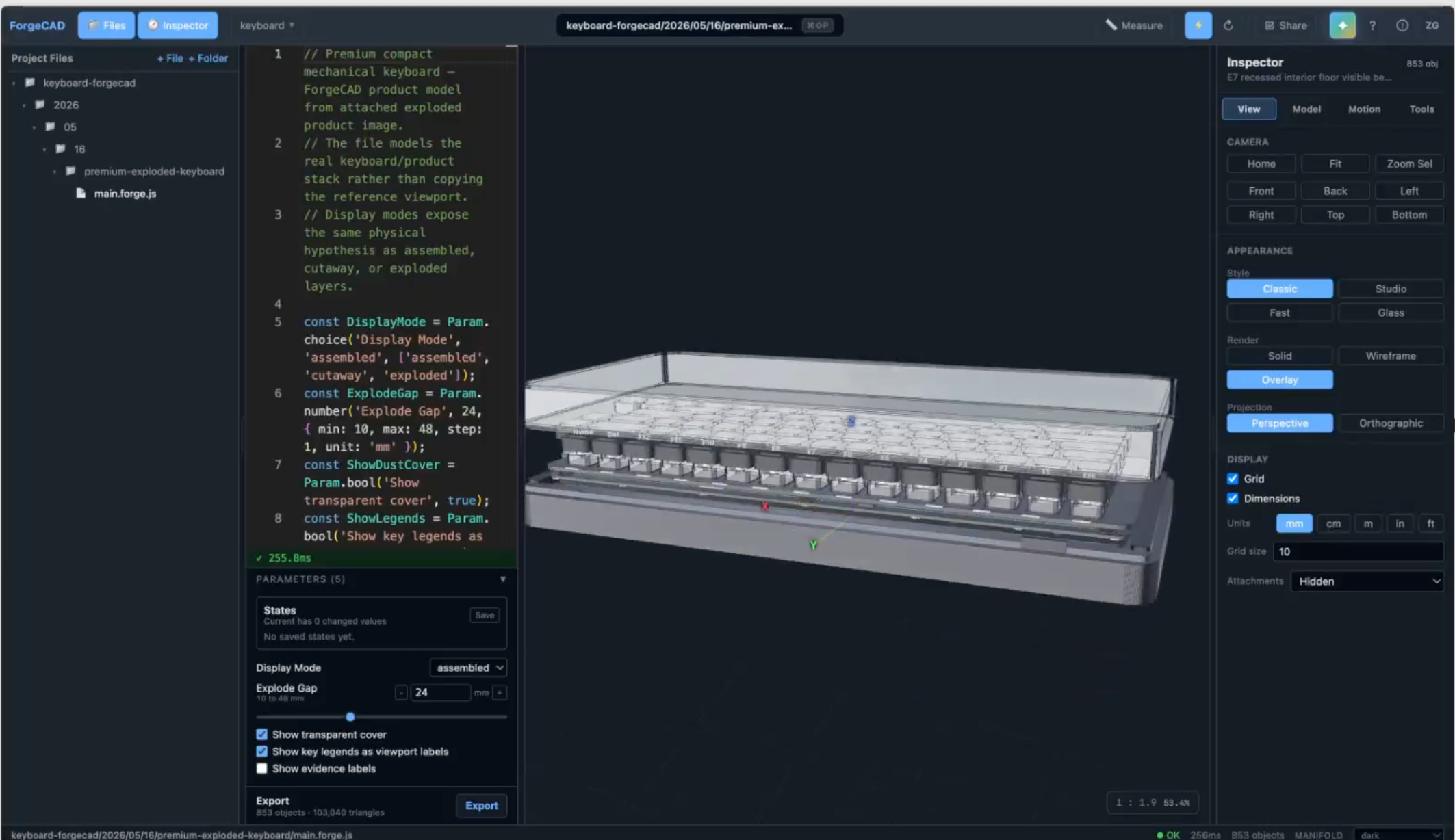
ForgeCAD has been getting a lot of attention, and for good reason. It is code-first parametric CAD for JavaScript and TypeScript, with a browser workbench, local CLI, and an agent-ready modeling workflow. The repo describes the core idea very directly: TypeScript is the file format, and the browser is the CAD system. The AI workflow is especially clean: the agent edits the file, runs ForgeCAD, renders or inspects the result, and then iterates.
It feels different from the vibe-coded CAD demos appearing every day. ForgeCAD is built around actual LLM loop: write code, test it, inspect the result, revise. Link
First steps into CAD-Agent evaluations
Reshef Elisha published a great writeup on using Claude Code with Onshape through an MCP plugin. He gave Claude a reference sketch and a short written description, and Claude produced a structured feature tree and built a four-part monitor arm in Onshape.
The best part of the writeup is the evaluation. He tested 27 reference parts across three difficulty levels and compared the resulting STEP files against ground truth on volume, bounding box, topology, Boolean intersection-over-union, and Chamfer distance. The conclusion is very useful: Claude can execute CAD operations surprisingly well when the spec is clear, but its visual understanding of engineering drawings is still the bottleneck. Link
Other
Project Genie gets Street View
The world model wave continues. Google expanded Project Genie with Street View grounding, so users can generate interactive worlds anchored to real places. CAD is still strangely absent from most world model work. That feels like a missed opportunity. CAD world model could be much more than an interactive scene. It could become a way to explore design spaces. I expect this to become more obvious over the next year.
What changed this month
The overall sentiment around AI for CAD feels very different now.
The problem remains hard, but the stack is becoming visible: LLM agents, code-first CAD, tool connectors, render-and-inspect loops, geometry evals, and human design intent.
That is enough for a lot of interesting work. Come to our meetups in Boston, San Francisco and Zurich to meet the people building at this frontier!
Upcoming CAD+AI Meetups:
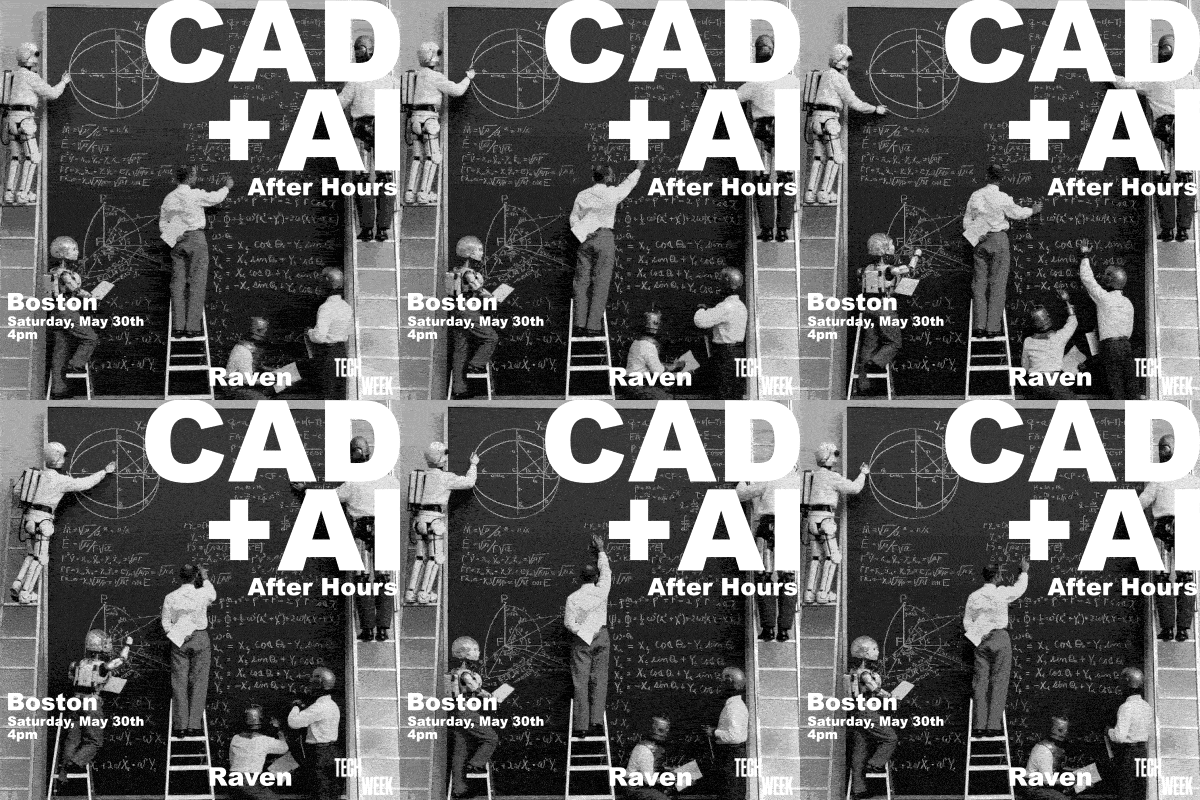
CAD+AI Boston
May 30th in Boston, USA
Come join leading researchers from MIT, the startup ecosystem, and large CAD or AI companies in Boston for this event hosted with Boston TechWeek. It’s next week already!
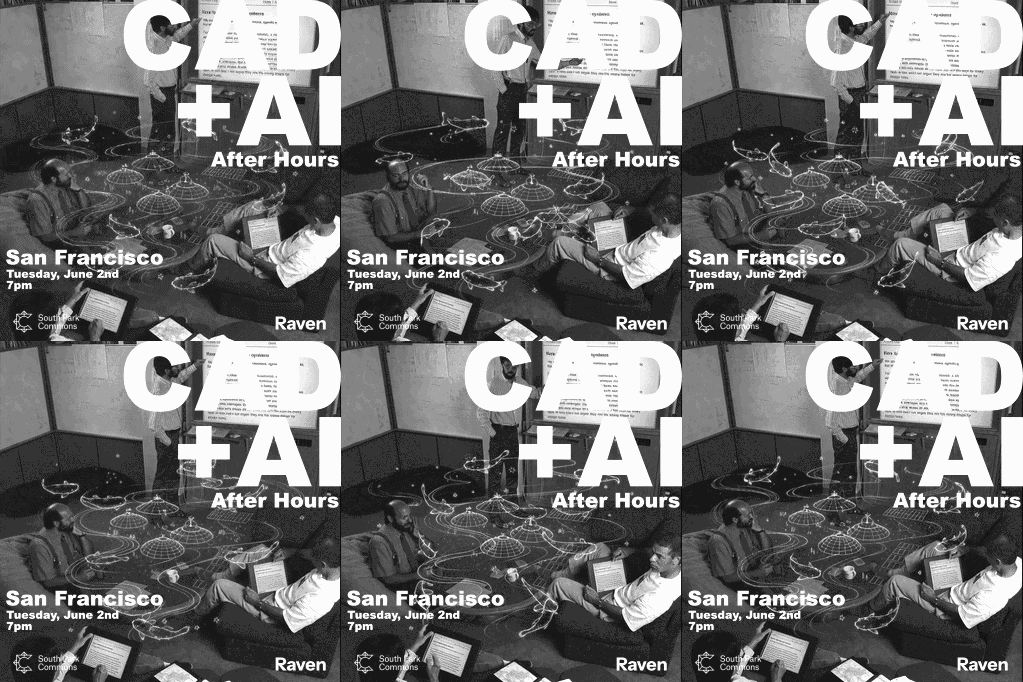
CAD+AI San Francisco
June 2nd in San Francisco, USA
Hosted at South Park Commons this time, San Francisco CAD+AI meetups are our most popular and busy events. A true testament to the buzzing colony of researchers, engineers and founders in the city. No investors, pitches or fundraising, nerds only.
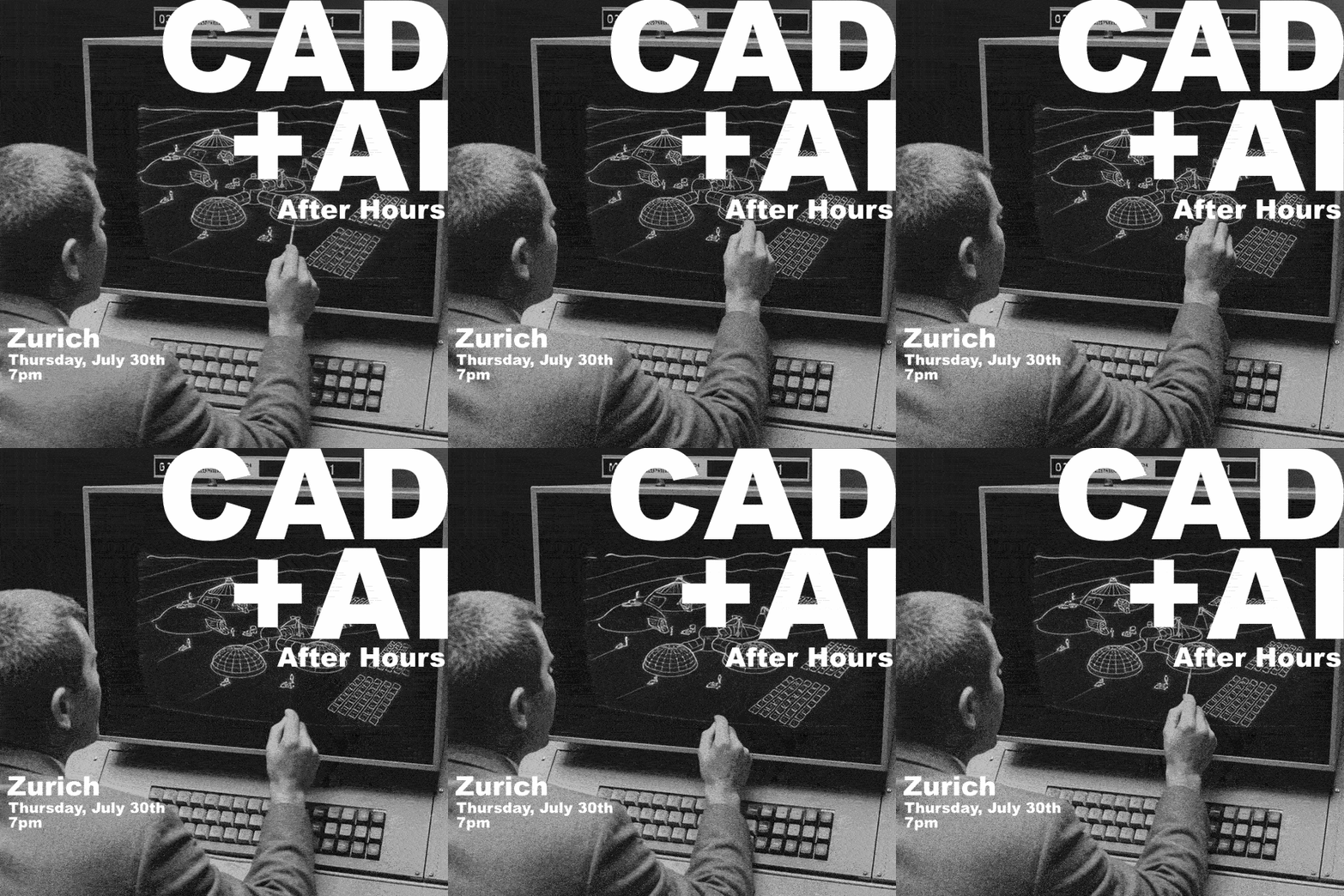
CAD+AI Zurich
July 30th in Zurich, Switzerland
Zurich boasts an impressive community of researchers in computer vision and 3d, as well as a long legacy. It also hosts mayor research centers for DeepMind, Microsoft, Disney Research, OpenAI and Anthropic. Come meet them all, as well as the startups, at our event on Langstrasse.
About CAD+AI
CAD+AI has become the premier event for the communities working at the edge of 3D software . They are a space for casual, open-ended conversations safe from the distortions of hype and corporate interest. Aspace for genuine curiosity: engineers, researchers, and founders only. Join us if this is you.
Next Chapter
Having built this real life community, and flush with its ideas, we want to share what we learn with the world. This newsletter collects and shares what we see, learn and discover every month and makes it accessible to anyone. We explicitly invite you to submit articles, papers or other noteworthy links.